“Is this somewhere I’d come back to?”
A guest arrives without knowing your routines. The welcome, the ordering process, and the attention at the table shape their first impression.
RESTAURANT INTELLIGENCE.
INDEPENDENT BY DESIGN.What you know, what your employees know, and what your guests experience don’t always line up. We’re independent observers with front- and back-of-house experience. You get a detailed report of what’s working, what isn’t, and what we recommend. Raw findings. No bullshit.
30 YEARS OF COMBINED EXPERIENCE.
FRONT AND BACK OF HOUSE.
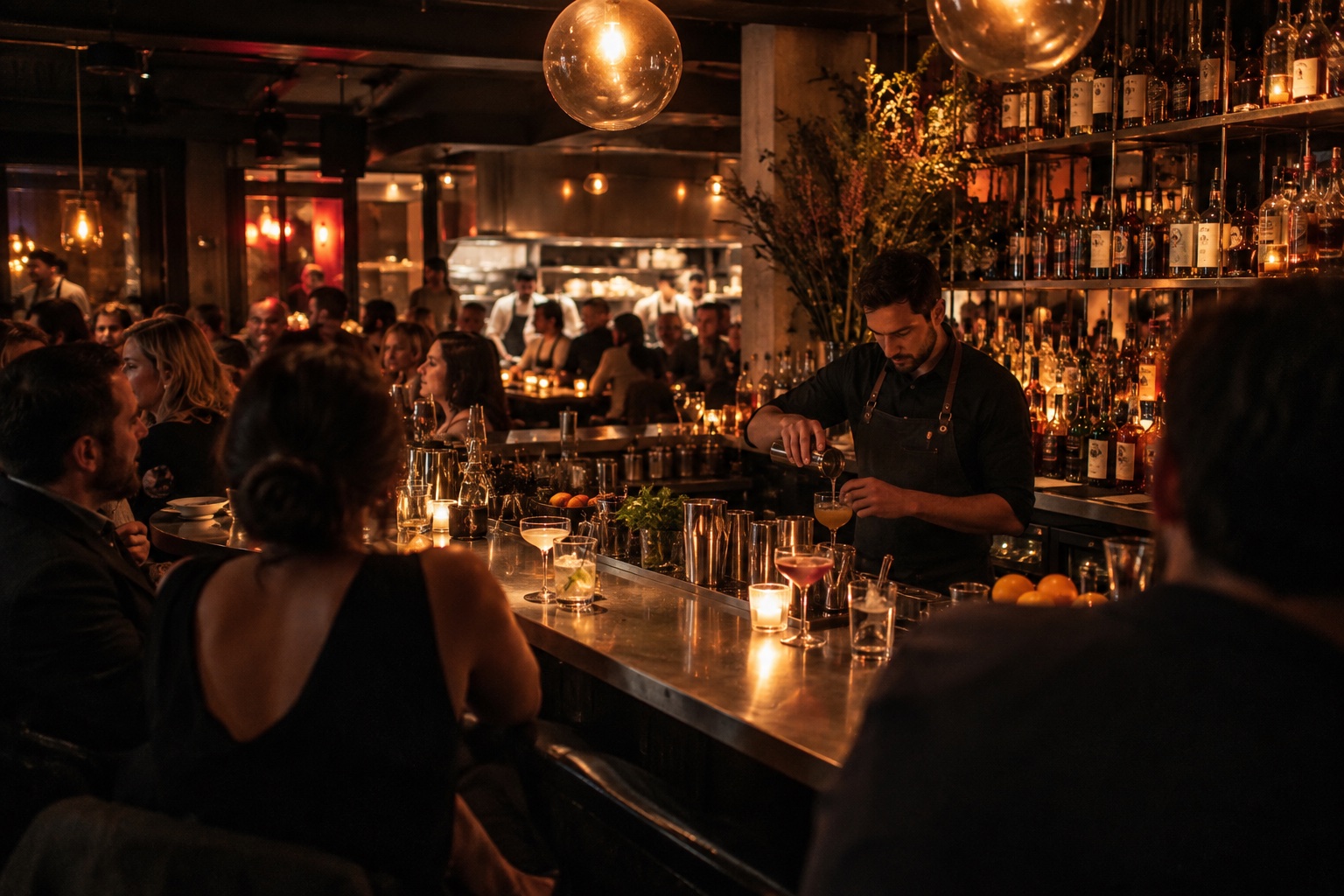
We look at what actually happens during service. A missed welcome. A complaint nobody handles. A guest or employee brushed off by management. We document these moments and consider the conditions behind them. If things are working, we’ll say so. If they’re not, we’ll say that, too.
When people keep telling you what you want to hear, your judgment gets clouded. Get the truth discreetly. We’re not your friend. We’re your unbiased, independent observers. We have no stake in defending your decisions or protecting anyone’s version of the story. We listen to guests and employees, check the context, and call it as we see it. If you don’t like what we find, we’re not sorry for telling you the truth. We give you the findings and recommendations. What you do with them is on you.
THE VIEW BEYOND THE REVIEWS
An okay meal. An okay night. Nothing bad enough to make a review feel worth the effort. Nothing good enough to recommend. They pay, say nothing, and may choose somewhere else next time. That quiet, two-to-four-star experience is where we pay attention: the ordinary guest whose feedback you may never hear.
Silence isn’t satisfaction. A welcome, reasonable waits, attention, and care when something goes wrong. These are basic expectations. A visit can follow the procedure and still leave the guest underwhelmed.
A three-star experience can become a five-star experience. We look for what separates “It was alright” from “I want to go back.” The welcome, the wait, the handoffs, the attention, and the recovery. We document what happened and recommend changes that could make the difference.
The customer isn’t always right. A star rating doesn’t tell the whole story. We hear people out, check what happened, and distinguish a fair complaint from an unreasonable expectation. We call it as we see it.
If the experience is great, that belongs in the report. If it’s bad, that belongs there, too. We don’t invent problems or soften findings to suit the person paying us. You get the evidence, our assessment, and practical recommendations. Acting on them is your responsibility. We can return to observe what changed.
A guest arrives without knowing your routines. The welcome, the ordering process, and the attention at the table shape their first impression.
A returning guest expects a familiar standard. A different shift or a different location can change how the same restaurant feels.
Someone comes back after a disappointing experience. What happens next can determine whether they give you another visit.
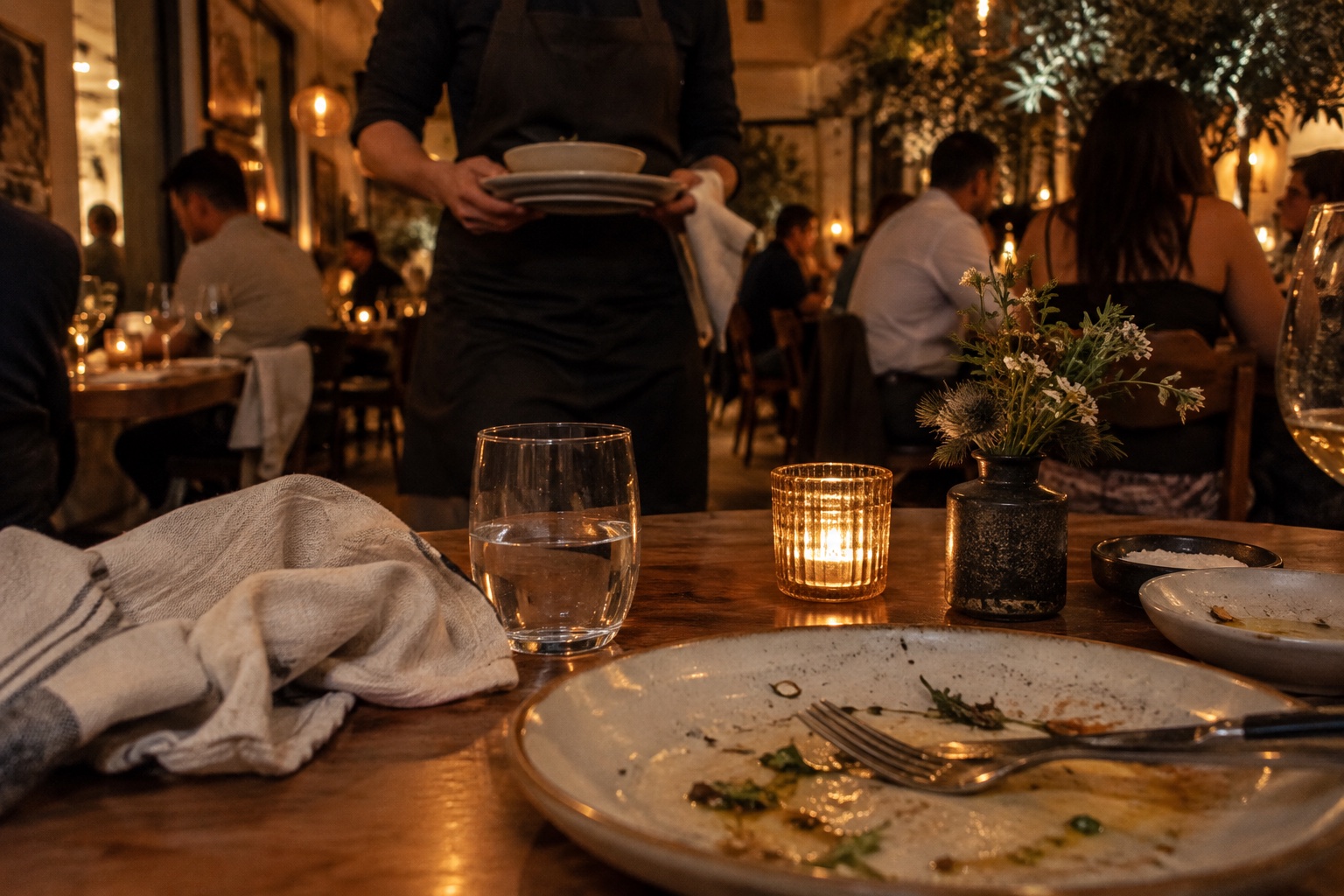
If your restaurant feels interchangeable, what reason does a guest have to choose you again? The welcome, the energy, the people, and the care between the first greeting and the last round are part of what they’re paying for.
What would make someone order another round, bring friends, or choose you again next Friday? We investigate what customers actually value and where your restaurant gives them a reason to spend elsewhere. Understanding their experience helps you earn more of their business.
Customer feedback only matters if you do something with it. We check what we hear and tell you where the evidence points.
Your brand is what guests actually experience. Your workplace is what employees deal with every shift. Our recommendations reflect that reality: clearer expectations, room for judgment, and support that fits how people actually work. Leadership decides what to change and how to put it into practice.
01 / HOW WE WORK
We observe the experience. We don’t run your shift. Our people understand front- and back-of-house work, the pressure of a rush, and what an ordinary guest reasonably expects. We look at whether a problem comes from execution, the policy itself, or the conditions people are working in.
If the customer is right, we’ll tell you. If the employee is right, we’ll tell you. If the company is the problem, we’ll tell you that, too.
We investigate both perspectives, compare accounts with what we observe, and follow the evidence. Our undercover visits are discreet and designed to blend into ordinary service. We agree on how feedback will be gathered and sources protected before the work begins. You get an independent assessment, including the parts you may not want to hear.
PHASE 01 / SCOPE
A random selection across the group, a handful of problem locations, or one restaurant. We agree on the questions, coverage, timing, and budget.
PHASE 02 / OBSERVE
Discreet visits, willing guest conversations, and protected staff feedback. We gather observations and accounts without staging the shift.
PHASE 03 / TEST
Compare visits, check specific concerns, and revisit where the evidence calls for it. Expand to more locations when agreed.
PHASE 04 / REPORT
A detailed report of findings, issues, and recommendations, including what changes may mean at scale. You decide what happens next.
To your team, we’re the next reservation, the two seats at the bar, the table asking for the check. Ordinary guests. Careful observers. Our vetted observers book, order, wait, pay, and leave naturally. There’s no need to prepare a manager for a routine visit. The team isn’t told when we will come through.
We plan repeat visits across relevant days and shifts, and can use multiple observers. Your first phase can sample a random selection across the group or focus on a select handful of restaurants with known concerns. We’re there to experience normal service, then investigate further where the findings call for it.
We speak with willing guests about their experience, including the parts they would never bother reviewing. Open questions. Their own words. What felt good, what felt off, and whether there was a reason to come back. We check what we hear against the visit and the wider pattern.
“Normal for the industry” isn’t the standard. What is reasonable for the person sitting at the table? We look at whether guests feel noticed, informed, looked after, and satisfied with what they paid for.
They know where the handoff breaks, which instructions contradict each other, and what makes a hard shift harder. They deal with it every day. We ask how it feels to work there, what support is missing, and what the team has quietly learned to work around.
They may never put it in an official survey. They’re protecting their job. Silence doesn’t mean everything is working. It can mean speaking up feels like the bigger risk.
That’s why we protect the people who talk to us. We ask open questions, investigate what we hear, and look for the patterns behind it. You’ll hear what needs fixing, including when the problem comes from management.
We consider the team dynamics and remove identifying context from ordinary feedback. If a location needs direct conversations with staff or managers, we agree that approach with you first. It’s a planned part of the work, not a surprise intervention.
How we protect people and handle exceptionsA problem at one restaurant isn’t evidence that the same thing is happening everywhere. We compare visits and locations, distinguish isolated moments from recurring bottlenecks, and plan focused checks where the cause is unclear.
If the order handoff looks like a problem, we revisit that part of the experience across relevant shifts. We can investigate a specific location, test a suspected issue across the group, or reassess after a change. Each phase builds on the findings. Further coverage, timing, and budget are agreed together.
For larger brands and deeper assignments, we can go beyond the first account. Have they actually visited? Which location? First visit or regular? What are they comparing it with? We work to establish the context before treating a comment as a conclusion.
Where feasible, we corroborate visit details with the participant, a voluntarily provided receipt with unnecessary personal details removed, or repeat observations. We consider local market expectations and choose observers whose experience fits the assignment.
We distinguish what we verified, what was self-reported, and what we couldn’t confirm. The extra checks are agreed around your scope, the market, available evidence, appropriate permissions, and applicable law. We go deeper while protecting the people who speak to us.
Our people have worked the rush. They document the demand, visible workload, wait, and communication. A slightly slower drink on a packed night isn’t an automatic failure. A mistake handled promptly and thoughtfully deserves credit. We understand the pressure without losing sight of how the guest felt.
02 / YOUR RESTAURANT INTELLIGENCE REPORT
We’re not here to protect your feelings. You get a detailed restaurant intelligence report: firsthand observations, candid guest accounts, protected employee feedback, the issues we identified, and actionable recommendations. We document what happened at the locations in scope, what appears to repeat, and what still needs checking.
You may learn things you wish weren’t true. A procedure that exists only on paper. A problem your employees stopped reporting. A leadership decision that keeps making the same shift harder. We bring it to light so you can do something about it.
We separate what we observed, what people told us, and our interpretation. What works gets the same honest treatment as what doesn’t. The report considers how recommended changes may affect guests, employees, costs, training, and execution across locations. Uncomfortable findings. Practical next steps. Implementation is yours.
A BUSY SHIFT DESERVES CONTEXT.
The room was full. Drinks took a little longer. The bartender acknowledged the wait and kept guests informed.
The demand and clear communication put the wait in context. This delay alone doesn’t establish a service problem.
Check whether delays recur and where preparation, handoffs, or extra support could help.
The welcome, service timings, handoffs, food and drinks, check-back, and how a problem was handled. We document what the guest experienced and the pressure the team was working through. Evidence, context, and our honest assessment.
Raw, unfiltered feedback about the experience, with people’s identities protected. We remove, generalize, or withhold names and identifying context from confidential guest and employee accounts. You get the issue and the evidence we can safely report, not a list of people to confront.
What happened where, what repeats across shifts, and what needs another check. We test suspected bottlenecks across the locations in scope and distinguish recurring issues from isolated visits. We tell you what is supported and what is still unconfirmed.
Specific changes to consider, why we recommend them, and what they could mean for service, staffing, training, cost, and consistency across the group. A fix at one restaurant may need a different approach elsewhere. We flag tradeoffs, pilot opportunities, and questions to test before a wider rollout. You own the decisions and implementation.
Start with a random selection or the locations you’re worried about. We can investigate a single restaurant, a selected handful, or work in phases across every location in your group. We agree on the scope, visits, timing, and budget. No cookie-cutter scorecard and no assumption that one restaurant speaks for the rest. You get findings by location and a view of the patterns supported by the evidence.
A shared view for operations, guest experience, and finance. What’s local, what repeats, and where the evidence says to focus your resources.
You may hate parts of the report. You may be relieved someone finally said it. If you don’t like what we uncover, we’re not sorry for keeping it honest. You’ll know what we found, why it matters, and what we recommend. Do what you will with the findings. Taking action is on you.
YEARS OF COMBINED
RESTAURANT EXPERIENCE.
03 / WHY WE UNDERSTAND
Jab! is made up of people who’ve worked across the restaurant, front and back of house, from busboy to GM to managing multiple locations. Our experience spans the floor, the bar, the kitchen, and the responsibility of running the operation.
We assess service from the guest’s perspective, with the context that comes from working in restaurants. The guest’s experience and the team’s reality both belong in the assessment.
Reports, planned visits, and conversations with managers each give you part of the picture. We add the view from the floor: how GMs coordinate, how direction reaches managers, and what staff are left to handle.
If the findings point to conflicting instructions, unrealistic expectations, or pressure passed down from leadership, we’ll tell you plainly. Sometimes a standard needs enforcing. Sometimes the standard itself needs a closer look. We help you tell the difference.
Unclear handoffs, unnecessary approvals, and inconsistent support can make a demanding job harder. We listen for what is wearing people down and what helps them succeed.
Our recommendations consider guests and the people serving them. That can mean clearer expectations, better support, and changes that could help you retain good people. We document the issues and recommend a way forward. Your leadership team is responsible for making it happen.
AN EXAMPLE OF WHY CONTEXT MATTERS
The first time you notice a free shot may be the first time you’ve seen an established routine. That guest may be a regular who spends consistently and brings friends. Before making a staffing decision, understand the comp policy, the pattern, and the relationship. Penny-pinching can cost you more than the drink. A narrow focus on the cost of one shot can push out a good bartender, alienate loyal customers, and take future sales with them. If you suspect misuse, we can investigate before you act. One moment may not tell you what is really happening.
04 / DISCRETION & TRUST
Routine visits are unannounced and designed to blend into ordinary service. No staged shift, no advance preparation, and no audit announcement to the team.
Targeted work may call for direct conversations. We agree on that approach and the appropriate contacts in advance. Findings are shared privately with you and the contacts agreed for the project.
Raw feedback does not mean exposed people. We learn the restaurant’s dynamics and remove, generalize, combine, or withhold names, roles, shifts, quotes, and incidents that could identify a source. Our methods protect people while preserving the substance of what they tell us.
We don’t bend because a client dislikes the findings, demands a name, or wants someone to blame. You get the issue, the evidence we can safely report, and our assessment. Ordinary criticism, gossip, disagreements, and management embarrassment are not grounds for revealing a source. Paying us does not change that.
We may disclose limited source information only when we reasonably determine it is necessary to address a credible, active threat to life or safety, or credible evidence of illegal activity, or when applicable law or binding legal process requires disclosure. A complaint about a source is not, by itself, evidence of illegal activity.
We share only what is necessary with recipients positioned to respond. These exceptions do not give clients a right to identify critics. We explain our protections and their limits before collecting confidential feedback. Read the source confidentiality policy.
START WITH A REALITY CHECK
Your restaurant has potential.
Potential doesn’t bring people back.
We tell you what we found, what it may mean, and what we recommend. It goes into a detailed report. What you do with it is up to you.
Download a starting point for a conversation.